MET Calorie Calculator: 50 Activities from 2024 Compendium
The 2024 Adult Compendium of Physical Activities from Herrmann and colleagues catalogues measured MET values for 1,114 activities across 22 major headings, adding 303 new codes and updating 176 values from the 2011 second update. One MET is standardised as 3.5 mL O2/kg/min or 1 kcal/kg/hr, and multiplying the MET value by body weight in kilograms yields calories per hour. What the strongest measurement studies say about MET accuracy, where the fixed 3.5 mL/kg/min standard breaks down, and a printable table of 50 MET values with kcal-per-hour estimates for four common body weights.
kcalm editorial team
Prepared with AI assistance
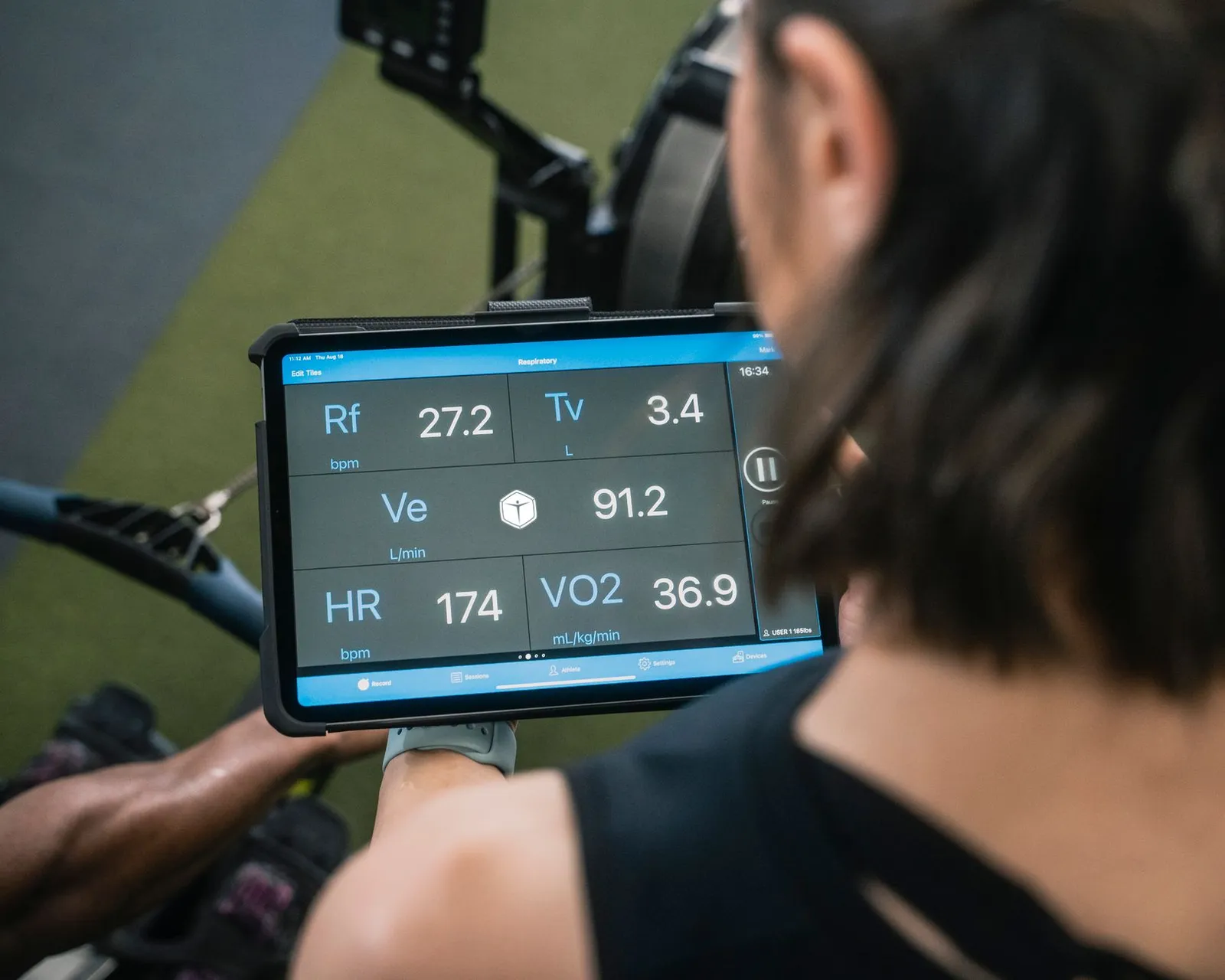
A metabolic equivalent — one MET — is defined as the energy cost of quiet sitting, roughly 3.5 mL of oxygen per kilogram per minute or 1 kilocalorie per kilogram per hour. The 2024 Adult Compendium of Physical Activities catalogues measured MET values for 1,114 activities across 22 major headings. Multiply the MET value by your weight in kilograms to get an approximate calorie burn per hour: a 70 kg adult walking at 4.8 km/h (3.3 METs) burns roughly 231 kcal per hour, and running at 9.7 km/h (9.8 METs) burns roughly 686 kcal per hour.
If your fitness watch says you burned 512 kcal on a 45-minute Pilates session and a friend's app reports 220 kcal for the same class, the number both apps quietly refer to is the metabolic equivalent, or MET. It is the single most-used shorthand in exercise physiology, the intensity currency behind almost every calorie estimator in a consumer nutrition app, and the reason two devices disagree by a factor of two when only one has looked up the current version of the reference database. This guide covers where the MET number comes from, how to convert it to kcal or kJ for a given body weight, what changed in the 2024 Adult Compendium of Physical Activities from Herrmann and colleagues, and where the fixed-MET assumption stops working.
The sources below come from the Journal of Sport and Health Science (Herrmann and colleagues 2024 Adult Compendium of Physical Activities, indexed as PMC10818145), the International Journal of Food Sciences and Nutrition (Kwan and colleagues 2004 evaluation of the 3.5 mL/kg/min standard in elderly people), a 2016 open-access review of measured metabolic equivalents in adolescents, active adults, and pregnant women (PMC4963914), and the official Compendium of Physical Activities database at pacompendium.com. Where MET values vary by intensity or population, the range is reported rather than a single point estimate.
What is a MET and how does it convert to calories?
One MET is the energy cost of quiet sitting, standardised at 3.5 millilitres of oxygen per kilogram per minute or roughly 1 kilocalorie per kilogram per hour. The kcal-per-hour form is the working conversion: burn rate equals MET value multiplied by body weight in kilograms, so a 3.3 MET activity at 70 kg equals about 231 kcal per hour.
The math behind the shortcut is straightforward. At 1 MET, tissue oxygen uptake is roughly 3.5 mL O₂ per kg of body weight per minute. Each litre of oxygen consumed metabolically yields about 5 kcal on a mixed diet, so 3.5 mL/kg/min times 60 minutes times 5 kcal/L equals roughly 1.05 kcal per kg per hour — the "1 MET = 1 kcal/kg/hr" convention rounded to whole numbers. The textbook formula — kcal per minute equals MET times weight in kg times 3.5 divided by 200 — collapses to the tidier hourly version when you multiply both sides by 60.
Consumer apps that display a calorie burn for a workout almost always run one of two calculations. The first is direct MET lookup: pick the closest activity code in a MET table, multiply by the user's stored weight, multiply by minutes divided by 60, done. The second is a heart-rate or accelerometer regression that ultimately converts to METs before displaying kcal. Understanding the underlying MET keeps the number auditable: if a class labelled "yoga, hatha" reports 8 MET on your device, something is wrong, because the reference value from the 2024 Compendium is 2.5 METs.
How does the 2024 Adult Compendium update MET values?
Herrmann and colleagues published the third major update in January 2024, screening 32,173 abstracts and 1,507 full-text papers to extract 2,356 measured energy-expenditure values from 701 studies. The result catalogues 1,114 activities across 22 major headings, with 303 new activity codes added and 176 existing MET values modified since the 2011 second update.
The Compendium's lineage matters because many consumer apps still rely on values from earlier editions — the original 1993 Ainsworth compendium, the 2000 update, or the 2011 second update. The 2024 version is the first to restrict its adult dataset to ages 19 to 59, moving activities measured in adults 60 or older into a companion Older Adult Compendium. That change alone shifts some MET values in the working reference by 5 to 15 percent, because resting oxygen uptake per kilogram body weight is systematically lower in adults over 60 — a 2004 Kwan study across 138 young adults and 70 elderly adults confirmed this pattern.
The 2024 update also formalised a rounding convention. MET values in the published tables are rounded to the nearest 0.0, 0.3, 0.5, or 0.8 — so a measured 4.45 rounds to 4.5, and a 5.1 measurement rounds to 5.0. This reduces false precision that never survived the underlying calorimetry uncertainty. Of the 1,114 activities catalogued, 912 have MET values measured directly by indirect calorimetry; 202 are estimated from similar activities where direct measurement is missing. The 22 categories cover everything from bicycling to volunteer activities to a new "Video Games" heading introduced in 2024.
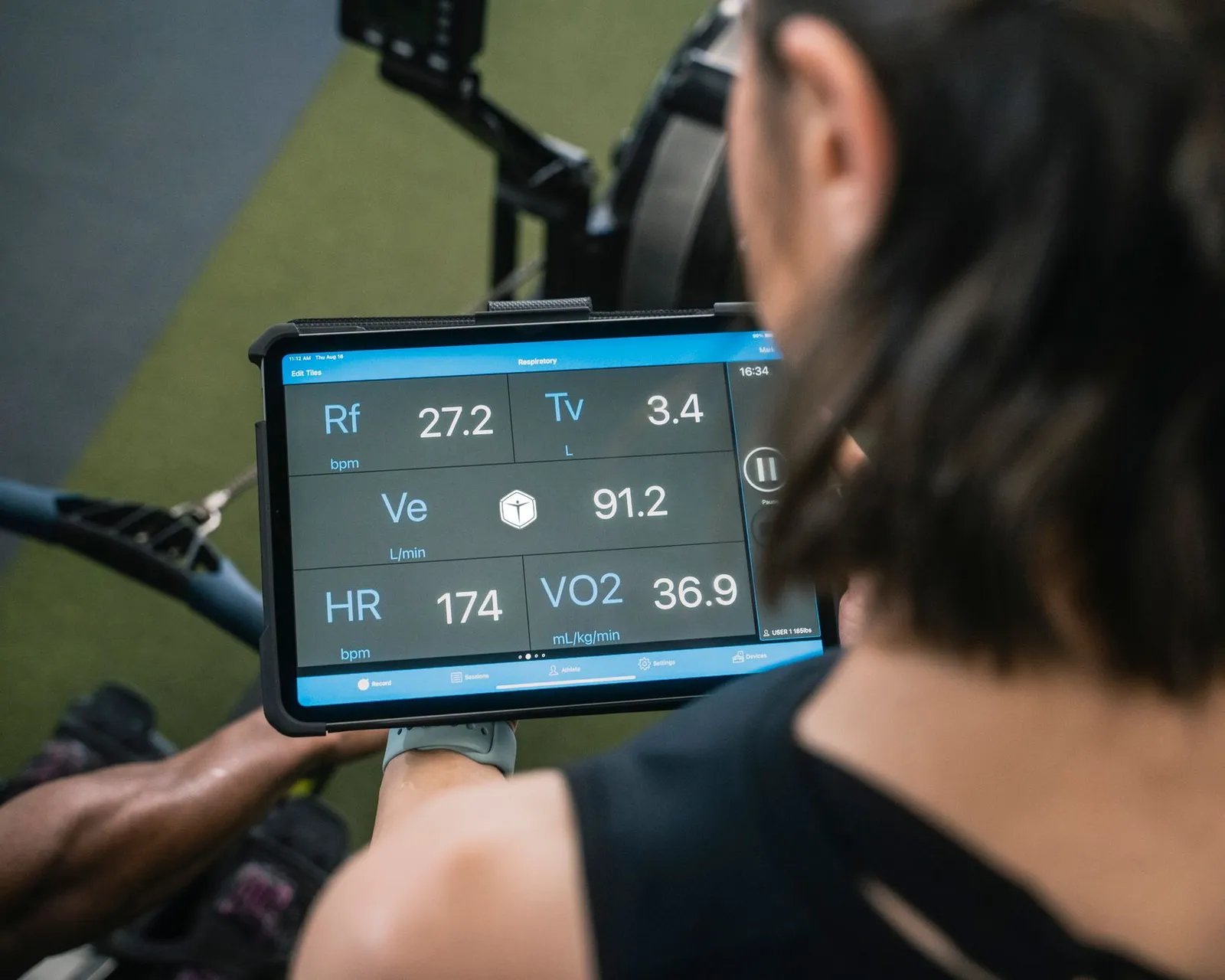
What are the MET values for 50 common activities?
MET values scale from 1.0 (quiet sitting) through 15.8 (elite racing cyclists above 32 km/h). Most everyday activities land between 2.5 and 8.0 METs. The table below lists 50 activities with representative 2024 Adult Compendium or equivalent published MET values, plus worked kilocalorie-per-hour estimates for 60, 70, 85, and 100 kg body weights.
To use the table: find the closest matching activity, note the MET value, and multiply by your weight in kilograms for kilocalories per hour, or by 4.184 for kilojoules per hour if you prefer AU units. For workouts shorter than an hour, scale linearly — a 30-minute session equals half the hourly estimate. Values assume adults aged 19 to 59; adjust downward by roughly 10 to 20 percent for adults over 60.
| Activity | MET | kcal/hr 60 kg | kcal/hr 70 kg | kcal/hr 85 kg | kcal/hr 100 kg |
|---|---|---|---|---|---|
| Sitting quietly | 1.0 | 60 | 70 | 85 | 100 |
| Standing, light work | 2.0 | 120 | 140 | 170 | 200 |
| Cooking, food prep | 2.5 | 150 | 175 | 213 | 250 |
| Yoga, hatha style | 2.5 | 150 | 175 | 213 | 250 |
| Walking, 3.2 km/h (slow) | 2.8 | 168 | 196 | 238 | 280 |
| Pilates, mat class | 3.0 | 180 | 210 | 255 | 300 |
| Walking, 4.8 km/h (3.0 mph) | 3.3 | 198 | 231 | 281 | 330 |
| Vacuuming carpet | 3.3 | 198 | 231 | 281 | 330 |
| Yoga, vinyasa flow | 3.3 | 198 | 231 | 281 | 330 |
| Weight lifting, light effort | 3.5 | 210 | 245 | 298 | 350 |
| Mopping floors | 3.5 | 210 | 245 | 298 | 350 |
| Gardening, general | 3.8 | 228 | 266 | 323 | 380 |
| Barre class | 4.0 | 240 | 280 | 340 | 400 |
| Golf, walking with clubs | 4.3 | 258 | 301 | 366 | 430 |
| Rowing machine, moderate | 4.8 | 288 | 336 | 408 | 480 |
| Walking, 6.4 km/h (4.0 mph) | 5.0 | 300 | 350 | 425 | 500 |
| Elliptical trainer, moderate | 5.0 | 300 | 350 | 425 | 500 |
| Dancing, aerobic general | 5.0 | 300 | 350 | 425 | 500 |
| Tennis, doubles | 5.0 | 300 | 350 | 425 | 500 |
| Hiking, moderate terrain | 5.3 | 318 | 371 | 451 | 530 |
| Ballroom dance, fast | 5.5 | 330 | 385 | 468 | 550 |
| Mowing lawn, power mower | 5.5 | 330 | 385 | 468 | 550 |
| Ice skating, recreational | 5.5 | 330 | 385 | 468 | 550 |
| Weight lifting, vigorous | 6.0 | 360 | 420 | 510 | 600 |
| Skateboarding, general | 6.0 | 360 | 420 | 510 | 600 |
| Zumba group class | 6.5 | 390 | 455 | 553 | 650 |
| Cycling, 16 to 19 km/h (leisure) | 6.8 | 408 | 476 | 578 | 680 |
| Backpacking, moderate pack | 7.0 | 420 | 490 | 595 | 700 |
| Skiing, cross-country moderate | 7.5 | 450 | 525 | 638 | 750 |
| Boxing, heavy bag | 7.8 | 468 | 546 | 663 | 780 |
| Cycling, 19 to 22 km/h (moderate) | 8.0 | 480 | 560 | 680 | 800 |
| Basketball, competitive game | 8.0 | 480 | 560 | 680 | 800 |
| Tennis, singles | 8.0 | 480 | 560 | 680 | 800 |
| Volleyball, competitive | 8.0 | 480 | 560 | 680 | 800 |
| HIIT circuit class | 8.0 | 480 | 560 | 680 | 800 |
| Rock climbing, ascending | 8.0 | 480 | 560 | 680 | 800 |
| Swimming, freestyle moderate | 8.3 | 498 | 581 | 706 | 830 |
| Rowing machine, vigorous | 8.5 | 510 | 595 | 723 | 850 |
| Jogging, 9.0 km/h (5.6 mph) | 8.8 | 528 | 616 | 748 | 880 |
| Stair climbing, fast | 8.8 | 528 | 616 | 748 | 880 |
| Running, 9.7 km/h (6.0 mph) | 9.8 | 588 | 686 | 833 | 980 |
| Cycling, 22 to 26 km/h (vigorous) | 10.0 | 600 | 700 | 850 | 1,000 |
| Soccer, competitive game | 10.0 | 600 | 700 | 850 | 1,000 |
| Swimming, freestyle vigorous | 10.0 | 600 | 700 | 850 | 1,000 |
| Kickboxing class | 10.3 | 618 | 721 | 876 | 1,030 |
| Running, 11.3 km/h (7.0 mph) | 11.0 | 660 | 770 | 935 | 1,100 |
| Rope skipping, moderate | 11.8 | 708 | 826 | 1,003 | 1,180 |
| Running, 12.9 km/h (8.0 mph) | 11.8 | 708 | 826 | 1,003 | 1,180 |
| Cycling, 26 to 30 km/h (racing) | 12.0 | 720 | 840 | 1,020 | 1,200 |
| Rope skipping, fast | 12.3 | 738 | 861 | 1,046 | 1,230 |
Where does the standard MET assumption break down?
The fixed 3.5 mL/kg/min baseline overestimates true resting metabolic rate by roughly 15 to 35 percent in many adults, according to reviewed research on measured resting oxygen uptake. A 2016 review found active adult men measured 0.89 to 0.92 kcal/kg per hour instead of the 1.0 standard (8 to 11 percent below), adolescent males measured 1.28 kcal/kg per hour (28 percent above), and pregnant women aligned almost exactly at 1.01.
The 3.5 mL/kg/min value comes from a single measurement in a 70 kg, 40-year-old man in the 1960s and has served as the reference constant ever since. Later work has repeatedly shown it does not generalise. Byrne and colleagues in 2005 reported the standard overestimates resting VO₂ by roughly 20 to 30 percent on average across a heterogeneous adult sample. The 2016 measured-MET review found active adult men at 0.89 to 0.92 kcal/kg per hour, adolescent males at 1.28 kcal/kg per hour (28% above standard), and pregnant and post-pregnant women at 1.00 to 1.01 kcal/kg per hour — essentially at the standard.
For a calorie tracker, this matters most in three cases. First, adults over 60: measured resting VO₂ per kilogram is systematically lower than 3.5 mL/kg/min, so MET-derived calorie estimates overshoot by roughly 10% to 20% in this age group. Second, overweight or obese adults: fat mass has lower metabolic rate per kilogram than lean mass, so weight-scaled MET estimates over-count the true burn. Third, adolescents: resting metabolism per kilogram is higher than the adult standard, so MET estimates under-count. Adjusting the reference from 3.5 mL/kg/min to a per-person measured or estimated resting VO₂ narrows the error, but few consumer apps do this. The TDEE activity multipliers overestimate analysis shows a related pattern in lifestyle-level TDEE estimation.

How do you use MET values to plan calorie targets?
Use MET values as a first-pass calorie estimate, then treat the number as roughly within plus or minus 20 percent per session. For weekly planning, average multiple workouts and cross-check against a personalised TDEE calculation. Sensor data usually beats MET lookup for a single workout, but MET tables win when no heart-rate or power sensor is attached.
A practical five-step protocol:
- Estimate TDEE first, before adding workout calories. Start with a Mifflin-St Jeor or Katch-McArdle calculation as covered in the TDEE calculator with AU and US units guide, and apply a modest activity multiplier of 1.2 to 1.375 to avoid double-counting habitual daily movement.
- Log each planned workout with its MET value. Multiply MET times weight in kg times duration in hours for kcal, or multiply the kcal result by 4.184 for kilojoules if you track in AU units.
- Do not stack MET-derived exercise calories on top of a "very active" TDEE multiplier of 1.725 or higher. The TDEE activity multipliers overestimate guide covers why doubling up can drive calorie targets 300 to 500 kcal too high for most desk-based adults.
- Prefer sensor data over MET lookup where a strap or meter is available. A calibrated power meter for cycling (see the cycling calorie calculator by power, heart rate, or speed) or the ACSM walking equation (see the walking calorie calculator using ACSM math) beats a flat MET value for a single workout.
- Recalibrate every eight to twelve weeks against actual body-weight change. If your predicted weekly kcal balance and actual weight trend diverge by more than 15 percent, adjust the MET estimate downward for adults over 60, upward for adolescents, or adjust the assumed TDEE if body-composition change is off target.
The 2024 Compendium approach also assumes the activity was performed at roughly the intensity described. A "cycling, moderate 19 to 22 km/h" MET value applied to a rider actually holding 15 km/h into a headwind will overestimate the true burn by 30% to 40%. When ambient conditions are unusual — wind, incline, altitude, extreme heat — a sensor-based estimate outperforms MET lookup by a wider margin. For a broader comparison of tracker accuracy, the MyFitnessPal vs Cronometer accuracy research review covers where consumer app databases align with the reference values used in the Compendium.
Frequently Asked Questions
Is 1 MET the same as 1 kilocalorie per hour?
Close, but per kilogram. One MET equals roughly 1 kilocalorie per kilogram of body weight per hour, so a 70 kg adult at rest burns about 70 kcal per hour. The origin of the shortcut is the 3.5 mL O₂ per kg per minute resting oxygen uptake standard, which yields about 1.05 kcal per kg per hour when multiplied by 60 minutes and the 5 kcal-per-litre oxygen equivalent. The extra 5 percent is usually rounded away in consumer apps.
Why do my Apple Watch and Fitbit report different calories for the same activity?
Because each device runs its own MET lookup or heart-rate-to-MET regression, then applies its own resting metabolic rate estimate. When one device uses a newer MET table (2024 Compendium) and another uses older 2011 values, the numbers can diverge by 5% to 15%. Add differences in stored age, sex, and weight, and typical between-device errors of 20% to 30% are normal. The best calorie tracking apps comparison covers which apps update their MET tables.
Do MET values include the calories I would have burned at rest anyway?
Yes. A MET is a multiple of the resting metabolic rate, so the calorie estimate from MET times weight times hours includes the baseline metabolic cost. If you are trying to isolate "extra" workout calories above rest, subtract 1 MET-equivalent from the value before multiplying. A 5.0 MET run for an hour at 70 kg equals 350 kcal total but only 280 kcal above rest.
Are MET values accurate for adults over 60?
Only approximately. The 2024 Adult Compendium restricts its adult dataset to ages 19 to 59 because measured resting oxygen uptake per kilogram drops with age. The 2004 Kwan study confirmed that the 3.5 mL/kg/min standard tends to overestimate energy expenditure when applied to elderly people. For adults 65 and older, MET-based calorie estimates typically overshoot by roughly 10% to 20% unless the reference is adjusted downward for the individual.
Can I use MET values for kilojoule targets in Australia?
Yes. Multiply the MET-derived kilocalorie estimate by 4.184 to convert to kilojoules. A 30-minute cycling session at 8.0 METs for a 70 kg adult equals about 280 kcal or 1,171 kJ. The TDEE calculator with AU and US units guide explains why the 8,700 kJ AU average daily reference intake corresponds to roughly 2,080 kcal.
Are MET values the same for men and women?
Roughly, but not exactly. MET values are dimensionless multiples of individual resting metabolic rate, so scaling by body weight captures the largest sex difference. Fine-grained studies show men measure slightly below and women slightly at or above the 1.0 kcal/kg per hour standard, so a MET-derived estimate carries about a 5% to 10% systematic error by sex. This is generally small compared to the 20% to 30% typical between-device variability.
How often should the MET reference tables be updated?
Every three to five years is a reasonable cadence. The 2024 Compendium is the third major update; the previous update was 2011. Not every activity value changed — many stayed stable — but for cycling, video games, and several occupational categories, the 2024 values differ meaningfully from 2011. The walking calorie calculator using ACSM math uses the same MET framework as a cross-reference.
Sources
- Herrmann SD, Willis EA, Ainsworth BE, et al. 2024 Adult Compendium of Physical Activities: A third update of the energy costs of human activities. Journal of Sport and Health Science. 2024;13(1):6-12. https://pmc.ncbi.nlm.nih.gov/articles/PMC10818145/
- Herrmann SD, Willis EA, Ainsworth BE, et al. 2024 Adult Compendium of Physical Activities (PubMed record). 2024. https://pubmed.ncbi.nlm.nih.gov/38242596/
- Compendium of Physical Activities. Adult Compendium activity database and MET values. pacompendium.com. https://pacompendium.com/adult-compendium/
- Kwan M, Woo J, Kwok T. The standard oxygen consumption value equivalent to one metabolic equivalent (3.5 ml/min/kg) is not appropriate for elderly people. International Journal of Food Sciences and Nutrition. 2004. https://pubmed.ncbi.nlm.nih.gov/15223593/
- Measured metabolic equivalents in adolescents, active adults, and pregnant women. Open-access review. 2016. https://pmc.ncbi.nlm.nih.gov/articles/PMC4963914/
Ready to track smarter?
Join thousands who use kcalm for calorie tracking. AI-powered food recognition, scientifically-validated calculations, and zero anxiety.
Related Articles
Body Fat Percentage Calculators: Which Can You Trust?
Compare body fat percentage calculators, BMI, Navy tape, smart scales and DXA using published research, practical examples and clear measurement limits.
ScienceAfterburn Effect: How Many Extra Calories Does EPOC Burn?
Explore the afterburn effect with measured EPOC calories, kcal and kJ comparisons, research limitations and practical advice for your calorie log.
ScienceSauna Calories Burned: What the Studies Really Measure
Explore sauna calories burned, what heat studies actually measured, why water loss differs from fat loss and how to handle uncertain numbers in your food log.