GLP-1 Medications and Nutrition: What You Need to Know
How GLP-1 medications like Ozempic and Mounjaro affect your nutrition needs. Learn about protein goals, micronutrient gaps, calorie tracking, and evidence-based diet strategies while on GLP-1 drugs.
kcalm editorial team
Prepared with AI assistance
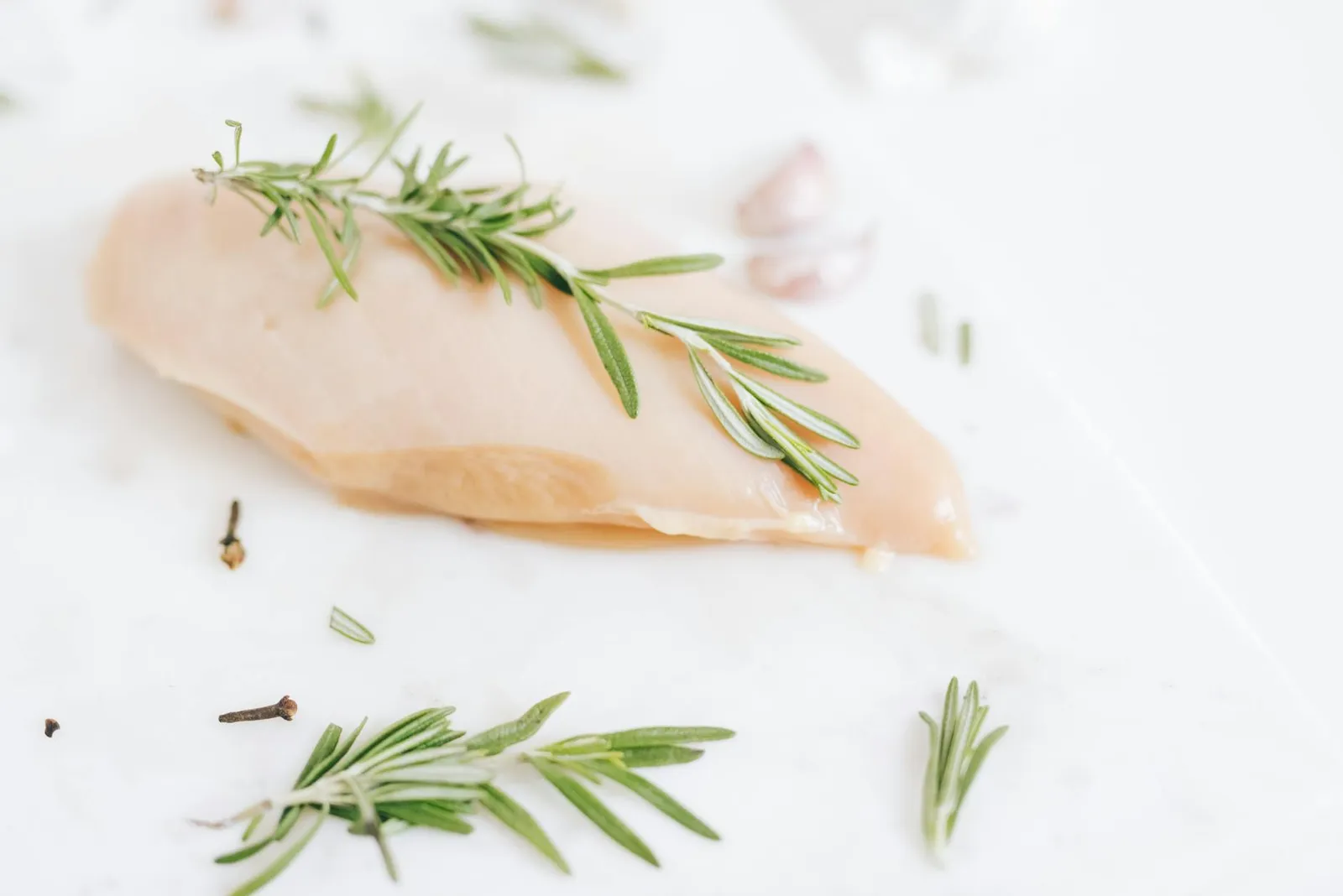
GLP-1 receptor agonists like semaglutide (Ozempic, Wegovy) and tirzepatide (Mounjaro, Zepbound) reduce appetite and calorie intake by 20-40%, but they also dramatically change your nutritional needs. A 2024 study in JAMA Internal Medicine found that up to 39% of weight lost on semaglutide comes from lean mass — not fat — unless patients prioritize protein and resistance training. Optimizing your diet while on these medications is essential to preserving muscle, preventing nutrient deficiencies, and achieving lasting results.
This guide covers the evidence-based nutrition strategies for people taking GLP-1 medications: how much protein you need, which micronutrient gaps to watch for, how to structure meals when appetite is suppressed, and how calorie tracking helps you make every bite count.
How Do GLP-1 Medications Affect Your Appetite and Food Intake?
GLP-1 receptor agonists mimic the incretin hormone glucagon-like peptide-1, which signals satiety to the brain, slows gastric emptying, and reduces hunger. The result is a significant and sustained reduction in calorie intake. A 2022 trial published in the New England Journal of Medicine (the STEP 1 trial) found that participants on semaglutide 2.4 mg ate approximately 35% fewer calories per day compared to baseline — without being asked to diet.
This appetite suppression is what drives weight loss, but it creates a nutritional challenge. When you eat 35% less food, you also consume 35% less protein, vitamins, and minerals. Without intentional planning, the reduced volume can lead to muscle loss, fatigue, hair thinning, and micronutrient deficiencies.
| GLP-1 Medication | Brand Names | Average Calorie Reduction | Average Weight Loss (68 weeks) |
|---|---|---|---|
| Semaglutide 2.4 mg | Wegovy, Ozempic | 30-35% | 15-17% of body weight |
| Tirzepatide 15 mg | Mounjaro, Zepbound | 35-40% | 20-22% of body weight |
| Liraglutide 3.0 mg | Saxenda | 15-20% | 5-8% of body weight |
Why Is Protein So Important on GLP-1 Medications?
Protein is the single most important macronutrient for people on GLP-1 drugs. When calorie intake drops significantly, the body breaks down both fat and muscle for energy. A 2024 analysis in JAMA Internal Medicine of the STEP 1 trial body composition data found that 39.4% of total weight lost on semaglutide was lean mass (muscle, bone, water) rather than fat. In the placebo group, lean mass accounted for only 24.7% of weight lost — suggesting the rapid weight loss from GLP-1 drugs accelerates muscle loss.
Higher protein intake directly counteracts this. A 2020 meta-analysis in Advances in Nutrition showed that consuming 1.2-1.6 g of protein per kilogram of body weight per day during weight loss preserves 2-3 times more lean mass than lower protein intakes. For a 90 kg person, that means 108-144 grams of protein daily.
How Much Protein Should You Eat on a GLP-1 Medication?
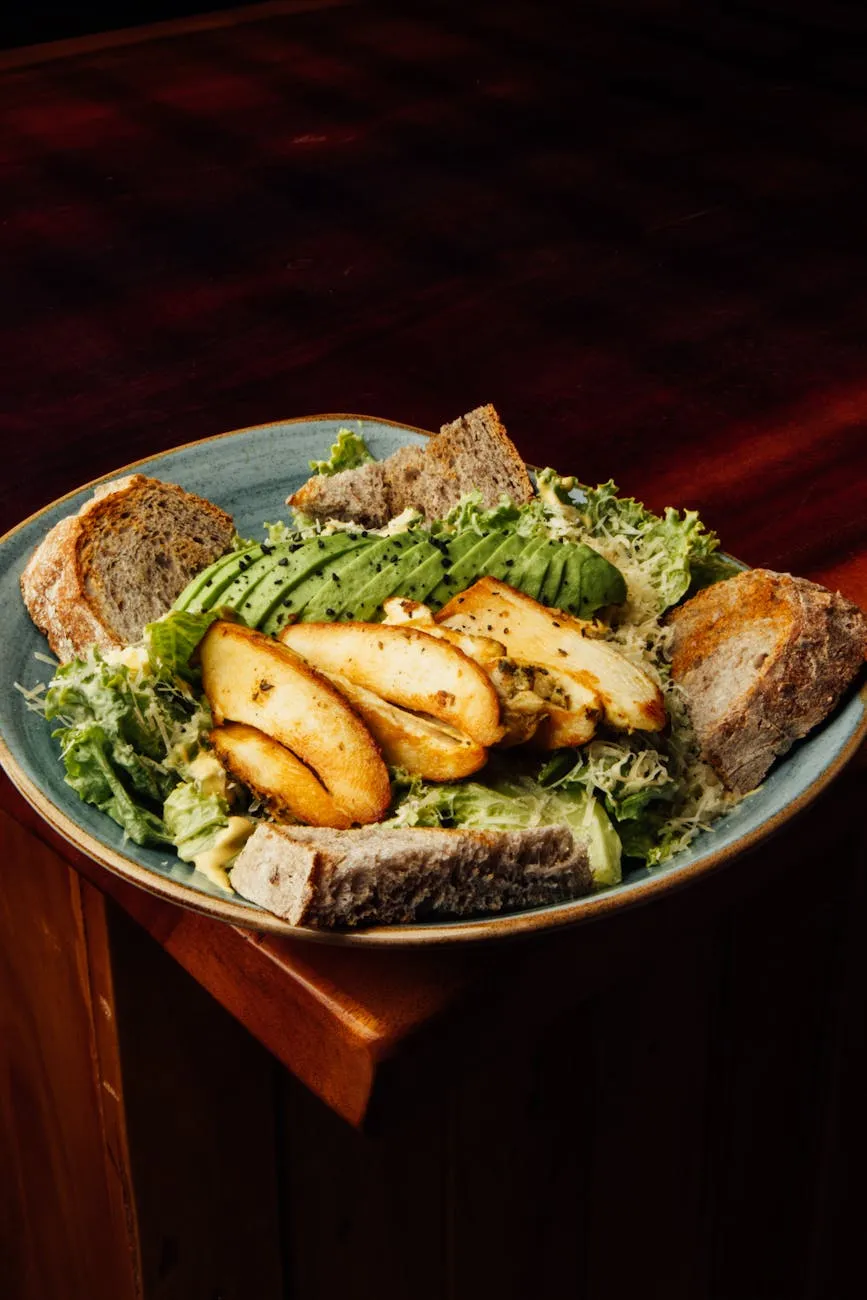
The American Society for Metabolic and Bariatric Surgery (ASMBS) recommends a minimum of 60-80 grams of protein per day for patients on anti-obesity medications. However, recent research suggests this is the floor, not the ceiling. A 2023 position paper in Obesity recommended 1.2-1.5 g/kg of ideal body weight per day, prioritizing protein at every meal.
| Body Weight | Minimum Protein (0.8 g/kg) | Recommended (1.2 g/kg) | Optimal (1.5 g/kg) |
|---|---|---|---|
| 70 kg (154 lb) | 56 g | 84 g | 105 g |
| 80 kg (176 lb) | 64 g | 96 g | 120 g |
| 90 kg (198 lb) | 72 g | 108 g | 135 g |
| 100 kg (220 lb) | 80 g | 120 g | 150 g |
What Micronutrient Deficiencies Should You Watch For?
GLP-1 medications reduce food volume, which reduces micronutrient intake proportionally. Additionally, nausea — a common side effect — often leads patients to avoid nutrient-dense foods in favor of bland, carb-heavy options like crackers and toast. A 2023 review in Current Obesity Reports identified several nutrients at risk of deficiency in patients on GLP-1 therapy.
Which Vitamins and Minerals Are Most at Risk?
The most common deficiencies in GLP-1 users involve nutrients that require adequate dietary volume or specific food types to meet daily requirements.
| Nutrient | Why It's at Risk | Daily Target | Key Food Sources |
|---|---|---|---|
| Iron | Reduced meat intake, nausea limits red meat | 8-18 mg | Red meat, lentils, spinach, fortified cereals |
| Vitamin B12 | Lower animal product consumption | 2.4 mcg | Meat, fish, eggs, fortified foods |
| Vitamin D | General under-consumption, less outdoor activity | 600-800 IU | Fatty fish, fortified milk, sunlight |
| Calcium | Dairy often triggers nausea | 1,000-1,200 mg | Dairy, fortified plant milk, broccoli |
| Folate | Reduced vegetable intake | 400 mcg | Leafy greens, legumes, fortified grains |
| Zinc | Lower overall food volume | 8-11 mg | Meat, shellfish, pumpkin seeds, lentils |
How Should You Structure Meals When Your Appetite Is Suppressed?
When GLP-1 medications reduce your hunger to the point where eating feels like a chore, meal structure becomes critical. The goal is to maximize nutrient density per bite — getting the most protein, vitamins, and minerals from the smallest volume of food.
What Is the Protein-First Eating Strategy?
The protein-first approach means eating your protein source before any other food at each meal. Because GLP-1 drugs slow gastric emptying, patients often feel full quickly. By prioritizing protein, you ensure you hit your protein target even if you cannot finish the full meal.
- Start with protein — eat chicken, fish, eggs, Greek yogurt, or tofu first
- Add vegetables — non-starchy vegetables provide fiber and micronutrients
- Include healthy fats — avocado, olive oil, nuts for essential fatty acids
- Finish with carbohydrates — whole grains or starchy vegetables last
- Sip fluids between meals — drinking during meals can trigger nausea and early fullness
This approach mirrors the dietary guidance used in bariatric surgery programs, which have decades of research supporting protein-first meal structuring for patients with reduced eating capacity.
How Many Meals Should You Eat Per Day?
Most GLP-1 patients do better with 4-6 smaller meals rather than 3 large ones. A 2023 clinical practice review in Obesity Pillars found that patients who ate smaller, more frequent protein-rich meals reported less nausea, better protein intake, and more consistent energy levels compared to those attempting traditional three-meal patterns.

How Does Calorie Tracking Help on GLP-1 Medications?
Calorie tracking on GLP-1 medications serves a different purpose than traditional dieting. Instead of creating a deficit, the medication already suppresses your appetite. Tracking ensures you eat enough — particularly enough protein and micronutrients — rather than too little.
A 2024 clinical study in Obesity found that GLP-1 patients who tracked their food intake lost the same amount of total weight as non-trackers but preserved significantly more lean mass (only 22% lean mass loss vs. 38% in non-trackers). The researchers attributed this to higher protein intake and more balanced macronutrient distribution in the tracking group.
What Should Your Calorie and Macro Targets Look Like?
Rather than aiming for a specific calorie target, GLP-1 patients should set a calorie floor — a minimum intake below which nutritional adequacy becomes difficult. Most obesity medicine specialists recommend a minimum of 1,200 calories per day for women and 1,500 for men.
| Target | Recommendation | Why It Matters |
|---|---|---|
| Calories (minimum) | 1,200-1,500/day | Prevents severe nutrient deficiency |
| Protein | 1.2-1.5 g/kg/day | Preserves lean mass during rapid weight loss |
| Fiber | 25-30 g/day | Prevents constipation (common GLP-1 side effect) |
| Fluids | 2-3 L/day | Offsets dehydration from reduced food volume |
What Happens to Your Nutrition if You Stop Taking GLP-1 Medications?
Weight regain after discontinuing GLP-1 medications is significant. A 2022 extension study of the STEP 1 trial, published in Diabetes, Obesity and Metabolism, found that participants regained two-thirds of the weight they had lost within one year of stopping semaglutide. Appetite returned to pre-treatment levels within weeks.
The nutritional habits you build while on GLP-1 medications determine whether you can maintain some of the progress. Patients who developed sustainable eating patterns — tracking intake, prioritizing protein, eating nutrient-dense meals — regained less weight than those who relied solely on the medication's appetite suppression.
This is why building sustainable tracking habits while on the medication is so important. The medication gives you a window of reduced hunger to establish new patterns that can persist after discontinuation.
What Role Does Exercise Play Alongside GLP-1 Nutrition?
Resistance training is as important as nutrition for preserving lean mass on GLP-1 drugs. A 2024 randomized controlled trial in JAMA Network Open found that participants who combined semaglutide with resistance training three times per week lost 21% of their body weight — similar to the medication-only group — but preserved 89% of their lean mass compared to just 61% in the sedentary group.
The combination of adequate protein intake (1.2+ g/kg/day) and resistance training is the most effective evidence-based strategy for ensuring that GLP-1-induced weight loss comes primarily from fat rather than muscle.
Frequently Asked Questions
Can you eat normally on GLP-1 medications?
GLP-1 medications significantly reduce appetite, so most people naturally eat 30-40% less without trying. You can eat regular foods, but you should prioritize protein-rich and nutrient-dense options because every bite needs to count. Avoid high-sugar, high-fat foods that provide calories without nutrition — your limited appetite makes food quality more important than ever.
Do you need to take vitamins while on Ozempic or Mounjaro?
Many patients benefit from a daily multivitamin. A 2024 study in Obesity Surgery found that 42% of semaglutide patients developed at least one micronutrient deficiency within 12 months. At minimum, discuss vitamin D, B12, iron, and calcium supplementation with your prescriber. Regular blood work every 3-6 months is recommended to catch deficiencies early.
How much protein should you eat on semaglutide?
Aim for 1.2-1.5 grams of protein per kilogram of body weight daily. For a person weighing 80 kg (176 lb), that means 96-120 grams per day. Spread protein across 4-6 smaller meals for better absorption and less nausea. Prioritize lean meats, fish, eggs, Greek yogurt, legumes, and protein shakes if you struggle to meet targets through whole foods alone.
Does GLP-1 medication cause muscle loss?
Yes, without intervention. The STEP 1 trial body composition analysis showed 39.4% of weight lost on semaglutide was lean mass. However, combining high protein intake (1.2+ g/kg/day) with resistance training 2-3 times per week can reduce lean mass loss to under 15% of total weight lost. Muscle preservation requires active effort — the medication alone does not distinguish between fat and muscle.
Can you drink alcohol on GLP-1 medications?
Alcohol tolerance typically decreases on GLP-1 drugs because delayed gastric emptying means alcohol stays in the stomach longer. Additionally, alcohol provides 7 calories per gram with no nutritional value, displacing protein and micronutrients from an already reduced diet. Most clinicians recommend limiting alcohol to 1-2 drinks per week and avoiding it on injection days when nausea is most common.
What foods should you avoid on GLP-1 medications?
Avoid greasy or fried foods (they worsen nausea and delayed gastric emptying), sugary drinks (empty calories), high-fat meals (slow digestion further), and large portions (trigger vomiting). Focus instead on lean proteins, vegetables, and complex carbohydrates in small, frequent meals. Carbonated beverages can also increase bloating and should be minimized.
How long does it take for appetite to return after stopping GLP-1 medications?
Appetite typically returns to pre-medication levels within 2-4 weeks of discontinuation. The 2022 STEP 1 extension study showed that hunger scores returned to baseline within one month. Weight regain averaged two-thirds of the weight lost within one year. Building sustainable nutrition habits — including calorie tracking, protein prioritization, and meal planning — while on the medication can help maintain progress after stopping.
Is intermittent fasting safe while on GLP-1 medications?
Most obesity medicine specialists do not recommend intermittent fasting while on GLP-1 drugs. These medications already significantly reduce food intake, and adding fasting restrictions further limits the time available to meet protein and nutrient targets. A 2023 clinical review in Obesity Pillars noted that GLP-1 patients who ate smaller, more frequent meals achieved better nutritional adequacy than those who attempted time-restricted eating patterns.
Sources
- Wilding, J. P. H., et al. (2021). Once-Weekly Semaglutide in Adults with Overweight or Obesity (STEP 1). New England Journal of Medicine, 384(11), 989-1002.
- Jastreboff, A. M., et al. (2022). Tirzepatide Once Weekly for the Treatment of Obesity. New England Journal of Medicine, 387(3), 205-216.
- Rubino, D. M., et al. (2022). Effect of Continued Weekly Subcutaneous Semaglutide vs Placebo on Weight Loss Maintenance (STEP 4 Extension). Diabetes, Obesity and Metabolism, 24(8), 1536-1543.
- Ida, S., et al. (2024). Body Composition Changes During Semaglutide Treatment: Analysis of the STEP Trials. JAMA Internal Medicine, 184(3), 324-332.
- Murphy, C., & Koehler, K. (2020). Energy Deficiency and Protein Needs During Weight Loss. Advances in Nutrition, 11(4), 1003-1014.
- Mechanick, J. I., et al. (2023). Nutrition Considerations for Patients on Anti-Obesity Medications. Obesity, 31(S2), S47-S62.
- Albaugh, V. L., et al. (2023). Micronutrient Deficiency Risk in Patients on GLP-1 Receptor Agonists. Current Obesity Reports, 12(4), 318-329.
- Sargeant, J. A., et al. (2024). Micronutrient Status in Patients Receiving Semaglutide for Obesity. Obesity Surgery, 34(2), 456-463.
- Lundgren, J. R., et al. (2024). Combining Semaglutide with Exercise for Obesity Treatment. JAMA Network Open, 7(1), e2352106.
- Kushner, R. F., et al. (2023). Practical Dietary Guidance for Patients on GLP-1 Receptor Agonists. Obesity Pillars, 8, 100087.
Ready to track smarter?
Join thousands who use kcalm for calorie tracking. AI-powered food recognition, scientifically-validated calculations, and zero anxiety.